Category
Investing.
Markets are probability machines. Every investment is a bet on an uncertain future, and the best investors think in expected values, not certainties. Explore how probabilistic thinking applies to portfolio construction, risk management, index investing, and avoiding the behavioural traps that cost most investors dearly.
Guides

expected value
When Is Travel Insurance Worth It? The EV Case
Travel insurance is usually negative-EV, yet often the right call. The expected-value rule for when a risk is worth insuring - and when to self-insure.
sequence of returns risk
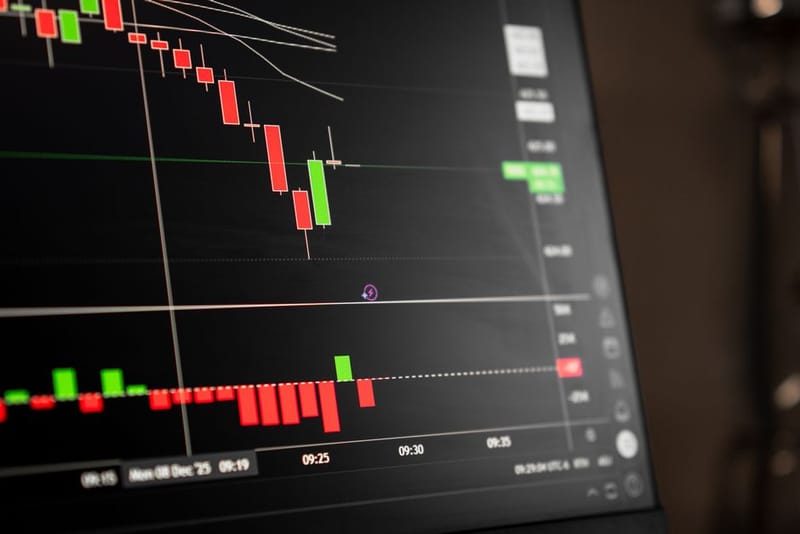
Sequence-of-Returns Risk: Why the Order Matters
Same average return, wildly different outcomes: why the ORDER of your returns decides how long a pension pot lasts. Sequence-of-returns risk explained.

position sizing
Position Sizing: How Much to Bet When You Have an Edge
Knowing you have an edge is half the battle - sizing positions correctly is the other half. How to size bets so you don't blow up or waste your advantage.

What Investment Platform Fees Really Cost Over 20 Years
A 0.35% platform fee sounds tiny. Compounded over 25 years it can cost £30,000+. The maths of fee drag, and where flat fees beat percentages.

Are Extended Warranties Ever Worth It? The Expected Value
Warranty maths retailers hope you never do: premium vs failure odds x repair cost. Why most UK cover is -EV, and the one case where it isn't.

insurance
Voluntary Excess: How to Choose the Level That Pays Off
Raising your voluntary excess cuts your premium but raises claim costs. Use expected value to find the excess level that actually pays off.
Premium Bonds
Premium Bonds: What's the Real Expected Value?
Premium Bonds advertise 3.8%, but that average hides a skewed reality. Here's the real expected (and typical) return for £1k, £10k and £50k holdings.
ISA
Stocks and Shares ISA Limit 2026: Rules and 2027 Changes
The 2026/27 stocks and shares ISA limit is £20,000. Here's how the allowance works, what the April 2027 cash ISA cut means, and how to use it.